Early Years Equity: Leaving No Child Behind
- Vinod Kakumanu
- Feb. 9, 2026, 5:36 p.m.
Equity in Early Years provides every child with what they need to flourish by synergising their abilities, resources, and backgrounds to ensure fair chances in learning, health, safety, and development. This includes offering culturally sensitive practices, community participation and customised assistance to foresee disadvantages, thereby building environments where diversity is a power.
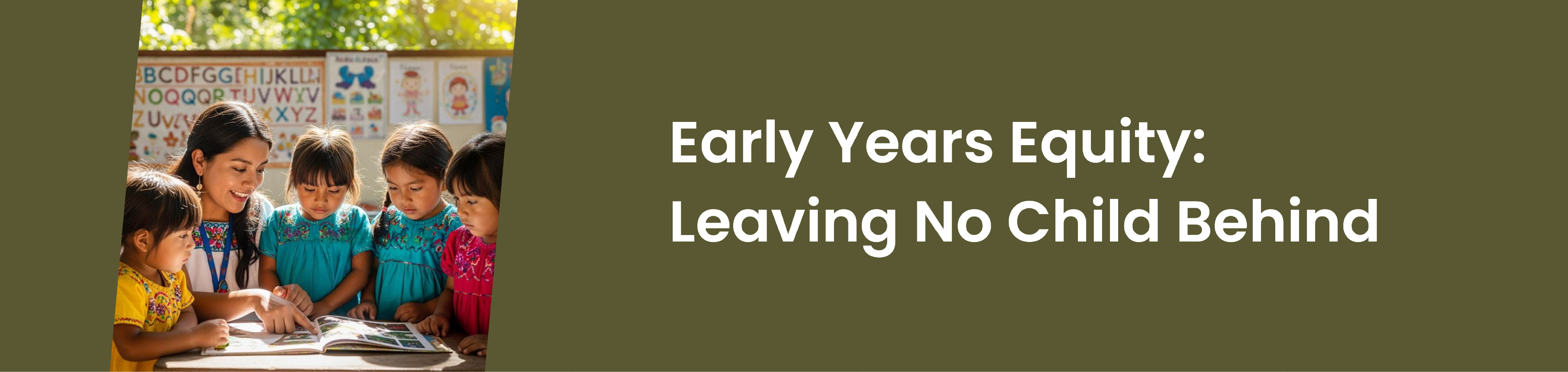
There is a growing consensus that equity should be addressed through practice and policy across the early childhood education industry. Up-to-date professional growth and national programmes accentuate the requirement for culturally responsive practices, targeted resource support, and partnerships with communities. These updates are based on research that establishes that equitable early learning eco-spaces build better results for lifelong success, confidence and school readiness.
Equity in Early Childhood
Toddlers and infants in early education classrooms, child care centres and home arrangements deserve equal access to resources and programs that will assist them to flourish, as equity is a basic human right.
All toddlers and infants who have access to the fresh food required for brain growth are surrounded by caregivers, live in a safe home ecosystem, and get regular medical care when we accomplish equity. This means offering the right support that individual families require to attain similar results.
Equity Impacting Children in Early Childhood
What books will the toddler’s teacher read during the toddler's group circle time at daycare? The majority of characters in children's books are white statistically. A classroom that concentrates on attaining equity will have curated a bookshelf that is representative and diverse.
Equitable access to resources is one of the most essential elements in deciding the long-term well-being of a kid. Children do not have the foundation they require to succeed. The resources involve top-quality early childhood programs, stable and uncrowded housing, supportive families and affordable medical care.
Specifically, children of colour (who live in poverty) have less authentic access to all of these fundamental requirements. Information depicts that poor children are less likely to flourish without treatment. We can work towards closing the equity gap through customised programs to offer those children the same early childhood resources.
Equity & Equality: The Difference
Equity means assuring every child gets what they require to flourish. A child studying English might require extra language support, while another may require adjusted stuff because of disablement.
Equality means offering all the same opportunities and resources. For instance, offering every child identical classroom material or the same number of books.
Enforcing Equity and Equality in Early Years
The best practice in early childhood learning involves equality and equity in long-term planning and daily routines. Some of the strategies are:
1. Equity in Support:
Customise teaching strategies to individual children. For instance, employing visual support for building sensory-friendly spaces for children. Adjust goals and expectations to reflect children’s cultural contexts, abilities and developmental stages. Provide professional growth for educators to intensify understanding of systemic inequities, privilege and bias.
2. Equality in Access:
Offer equal access to safe-playing environments, top-quality learning materials and handling adult relationships. Make sure every child has the option to take part in celebrations and group activities.
3. Reflective Practice:
Promote staff members to reflect on their own assumptions and biases. Employ assessment tools and observations to find roadblocks to involvement as well.
4. Community and Family Partnerships:
Realise that families bring cultural knowledge and unique strengths. Equity is fortified when educators adapt and listen to family priorities, languages and values. Offer support and information in multiple formats and languages to assure inclusion.
Encouraging equity in care and early learning does not mean handling all children equally, as it means responding with fairness and realising differences. Equality assures that all have access to similar opportunities, whereas equity assures that each child gets the right stage of support for winning.
Early years educators build environments where every child feels ready to learn, valued and capable. This loyalty lays the basis for not only school readiness but for an inclusive society as well.
What Next?
1.Getting Trained
Early childhood experts cannot rectify equity on their own. Most child and infant development resources were built according to the data collected from English-speaking families with enough income. Immigrant children, children with disabilities and children of colour were not taken into account. Look for expert growth rooted in the equity lens and encourage diversity-informed reflective practice between early childhood experts to offer culturally efficient services.
2.Support Families
Children who are taught by adults get better learning results, but when families are let down by life challenges, even that easy job can become hard. Build a more equitable future for today’s babies by ensuring all families have nutritious food, medical care and stable housing.
3.By Supporting Law
Adequate laws and regulations exist. Pushing for sincere and expeditious implementation is required through liaison with local authorities.
Final Thoughts
Early years equity is a collective responsibility that determines the future of communities, individuals and society. When deliberately addressing systemic barriers, providing differentiated support and planning inclusive eco-systems for every child’s special requirements, we’re nearer to a world where they have a reasonable option to flourish. Equity practices strengthen families, lay the foundation for lifelong learning, and honour diversity. Therefore, it’s ensured that no potential is left unrealised and no child is neglected.


Write to our School Consultant: